
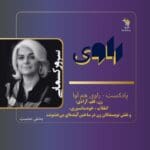

In this two-part podcast, Sahar Naserii speaks with Sarvār Kasemai, an Iranian writer, translator, and intellectual living in France, about writing as a form of resistance.
From Ms. Kasemai’s lived experience in the years following the Revolution and during exile, to the role of literature in preserving collective memory and reflecting the people’s suffering and hope, the conversation explores how words endure.
We take a look at the female myths of the Shahnameh and how they differ from the images of women presented by misogynistic literature.
The discussion also addresses self-censorship in literature, the arrest of women writers, the Islamic Republic’s ideological pressure on intellectuals, and the role of a new generation of women writers and researchers in shaping a new language of protest.
This episode is a narrative of how words, even in the darkest times, find their way—and why in Iran, writing, willingly or not, becomes a political act.
The Ham-Avā podcast series seeks to expand the national discourse around universal values, democracy, the separation of religion and state, human rights, and gender equality.
Within such a framework, we can move along the path of collective wisdom toward a free and dignified Iran—for all Iranians, regardless of belief, thought, gender, ethnicity, or background.